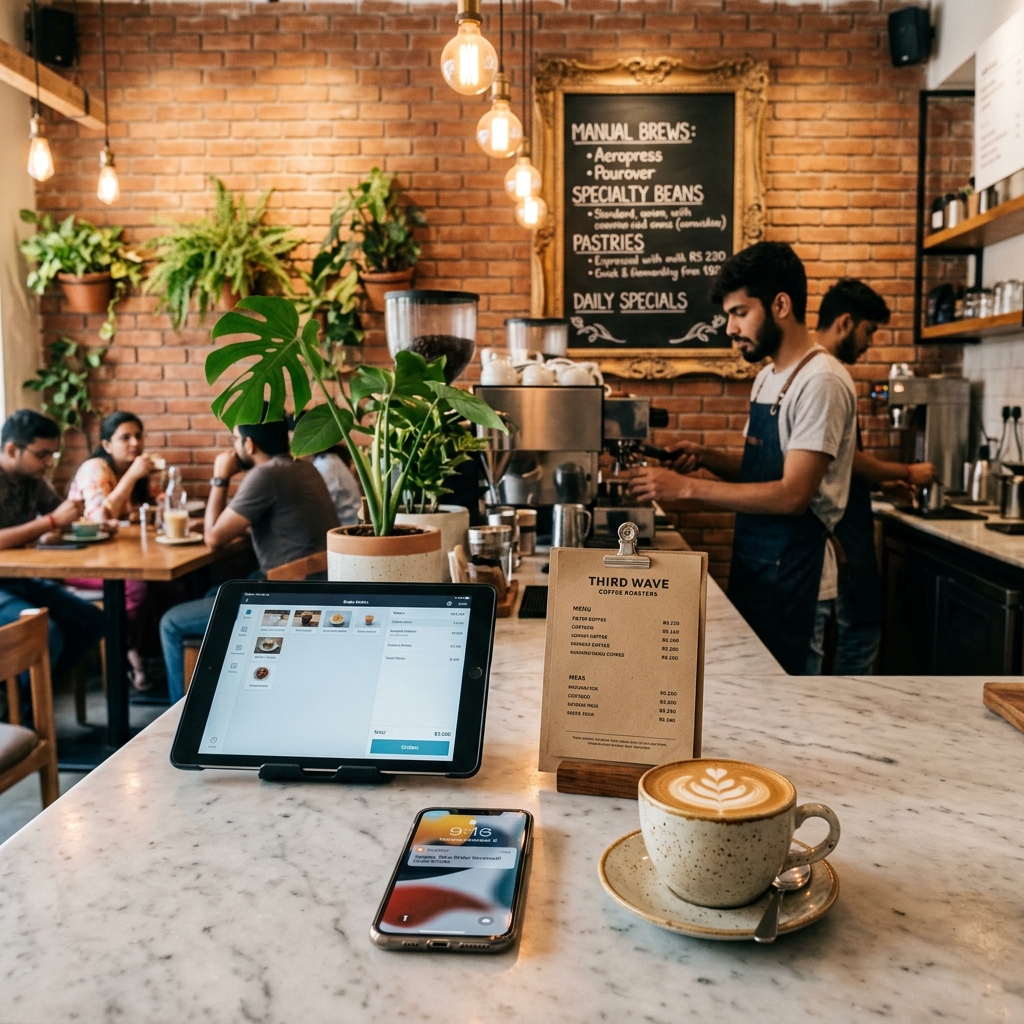
Walk into almost any independent cafe in a tier-1 or tier-2 Indian city and you'll find the same setup: a WhatsApp group for daily specials, a notebook for inventory, a sticky note with the day's float, and the owner's phone number scrawled on the wall for delivery. It works — until it doesn't.
The Real Cost of 'Getting By'
Order errors are the most visible pain point. A staff member misreads a WhatsApp message, a customer gets the wrong item, a refund happens. On average, the cafe owners we spoke to were losing between ₹15,000 and ₹40,000 a month to these small, compounding mistakes — without ever tracking it as a line item.
Inventory is even more invisible. Most owners run entirely on gut feel. "I know when to reorder" is a phrase we heard dozens of times. But when we asked them how often they ran out of something mid-service, the answer was almost always: every week.
Why Existing Software Doesn't Work
It's not that cafe owners haven't tried software. Most have. But the tools available to them were built for larger restaurant chains — complex POS systems with steep learning curves, monthly subscriptions that felt expensive for a 20-seat cafe, or enterprise platforms that required a dedicated IT person to manage.
The gap isn't technology — it's the assumption that the user has time to learn, a team to configure things, and the appetite for complexity. Most cafe owners have none of those.
What 'Built for India' Actually Means
When we started building Sevata, we spent weeks just watching how cafes actually operate. What we found was that the problems weren't complex — they were just unsolved at the right layer. Order management needed to be QR-based, not app-based. Inventory needed to auto-track from orders, not require manual input. Reports needed to be a morning WhatsApp message, not a dashboard.
- Owners want simplicity, not features
- Staff turnover is high — the system must be self-explanatory
- Internet connectivity is inconsistent — offline resilience matters
- Price sensitivity is real — but so is willingness to pay for clear ROI
The cafes that make the leap from notebooks to digital systems don't just save time — they change how they think about their business. Suddenly inventory has a cost. Suddenly slow items have a number. Suddenly the decision to drop a menu item is data-driven, not instinct-driven.
The Opportunity
There are over 7.5 million food service establishments in India. Less than 3% use any kind of dedicated management software. That gap isn't a failure of the market — it's a failure of the tools available to it. The cafes are ready. The technology just needs to meet them where they are.
You might also like
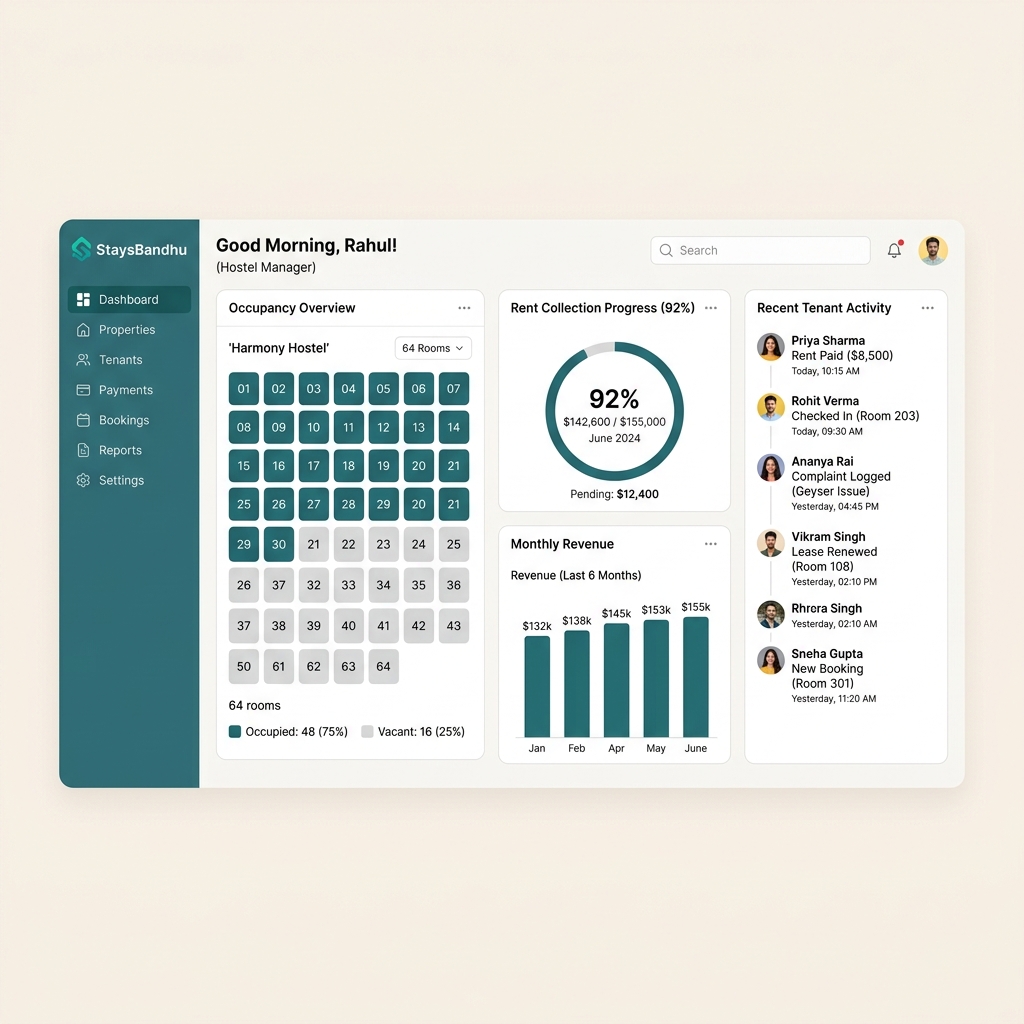
Why PG Owners Are Still Chasing Rent on WhatsApp
India's co-living boom is real, but most PG and hostel owners still run rent, rooms, and complaints out of a notebook and a WhatsApp group. Here's what that's quietly costing them — and what changes when operations go digital.
Read article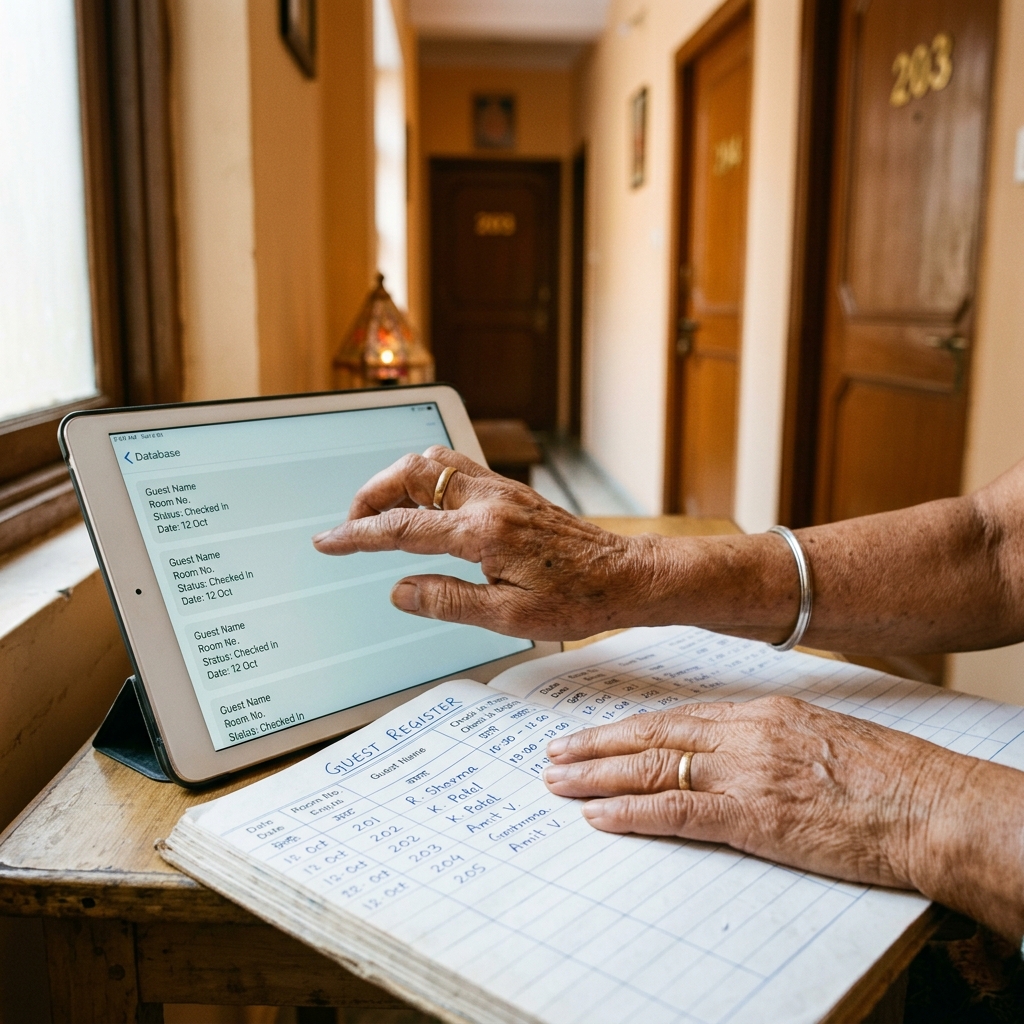
The Art of Building Software for Non-Technical Users
The hardest part of building software for urban businesses isn't the technology — it's designing systems that a 50-year-old PG owner can use without a manual.
Read article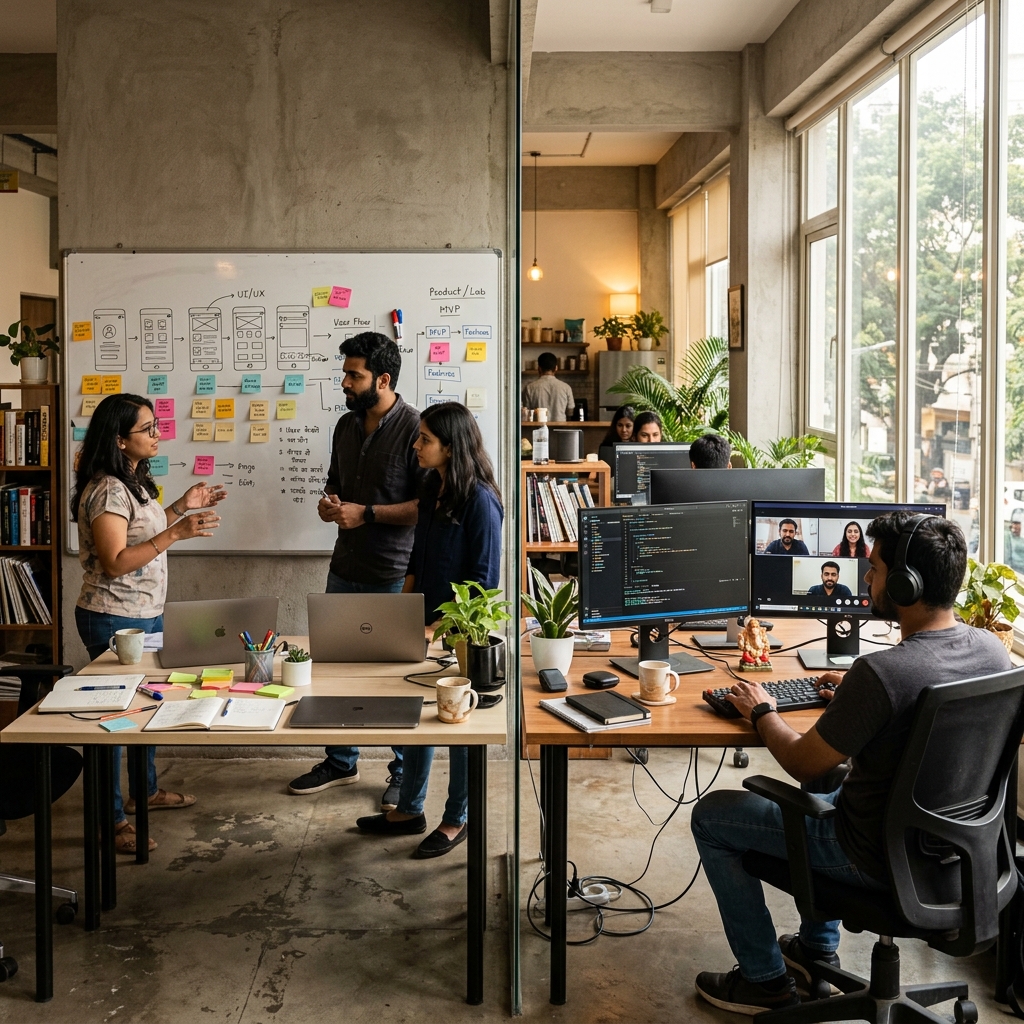
Why We Run a Services Business and a Products Business at the Same Time
Most companies choose one: agency or product company. We chose both — intentionally. Here's the thinking behind Urbandhu's dual model and why it makes us better at both.
Read article